



Androgen Receptor Inhibitor
-
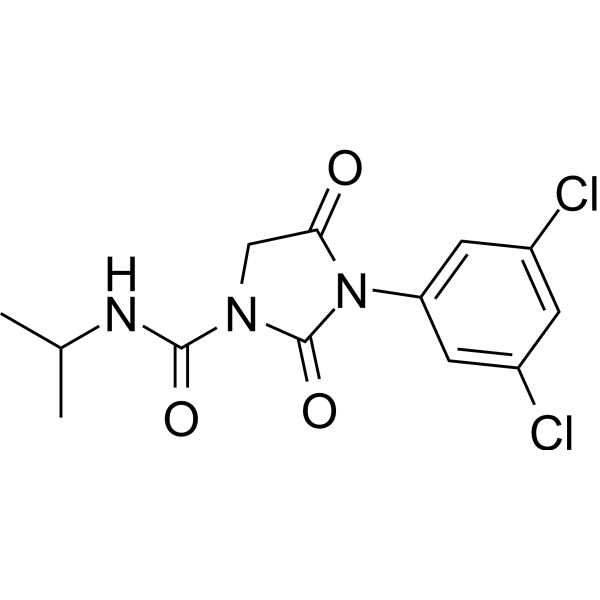
Iprodione
 0 Images
Iprodione is an orally active diformimide fungicide. Iprodione can specifically cause oxidative damage by producing free radicals (ROS). Iprodione is also an antiandrogen agent that delays adolescent development in rats and reduces sexual behavior and reproductive ability in rats.
-
Ralaniten triacetate
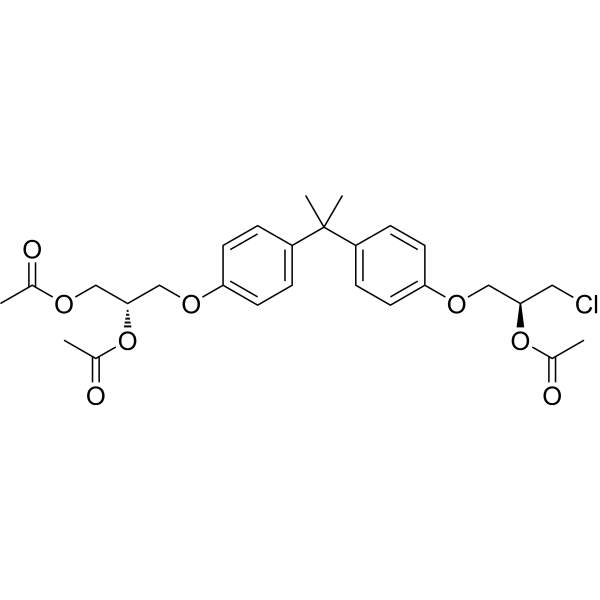 0 ImagesSynonyms: EPI-506
Ralaniten triacetate (EPI-506), the pro-agent of Ralaniten, is a first-in-class, orally active androgen receptor (AR) N-terminal domain (NTD) inhibitor. Ralaniten triacetate shows activity against both full length and resistance-related AR species, including AR-v7.
-
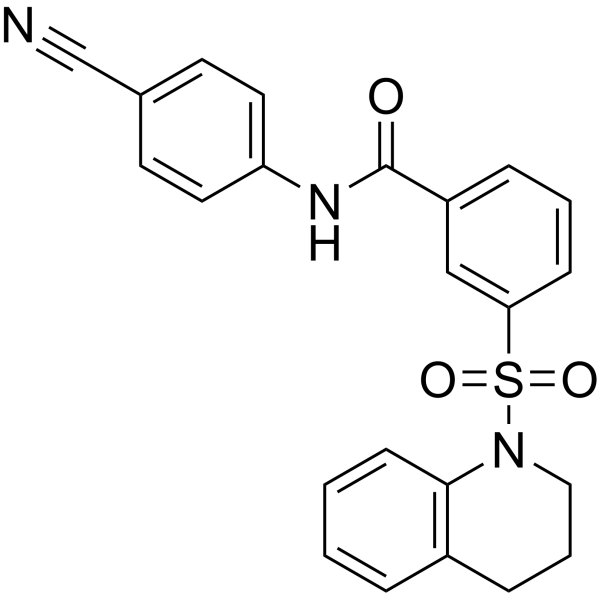
GA32
 0 Images
GA32 (compound 58r) is potent androgen receptor (AR)/glucocorticoid receptor (GR) dual inhibitor with IC50 values of 0.13 μM and 0.83 μM for AR and GR, respectively. GA32 inhibits the proliferation of Enzalutamide (HY-70002) resistance castration-resistant prostate cancer both in vitro and in vivo.
-
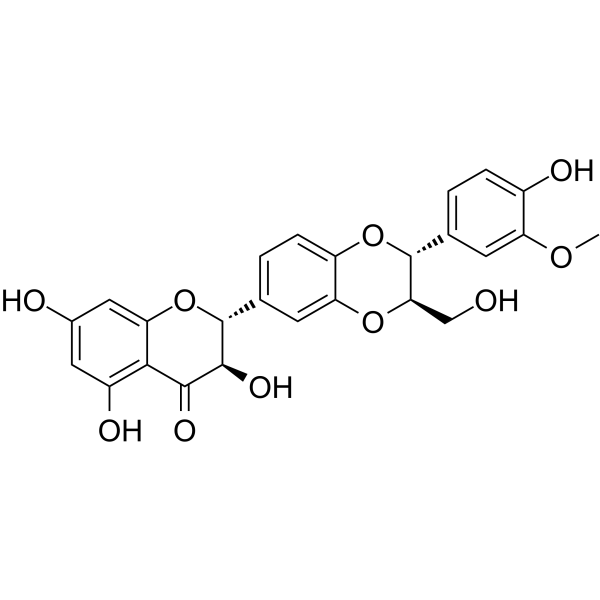
Isosilybin A
 0 Images
Isosilybin A is a PPARγ agonist that can be isolated from silymarin. Isosilybin A activates extrinsic and intrinsic pathways of apoptosis through targeting of the Akt-NF-kB-AR axis. Isosilybin A can relieve the inflammatory response in the rosacea model via inhibiting Erk and p38 signaling pathways and M1 macrophage polarization, with its targets related to RELA and VEGFA. Isosilybin A has anti-prostate cancer (PCA) activity[1][2][3].
-
ARD-61
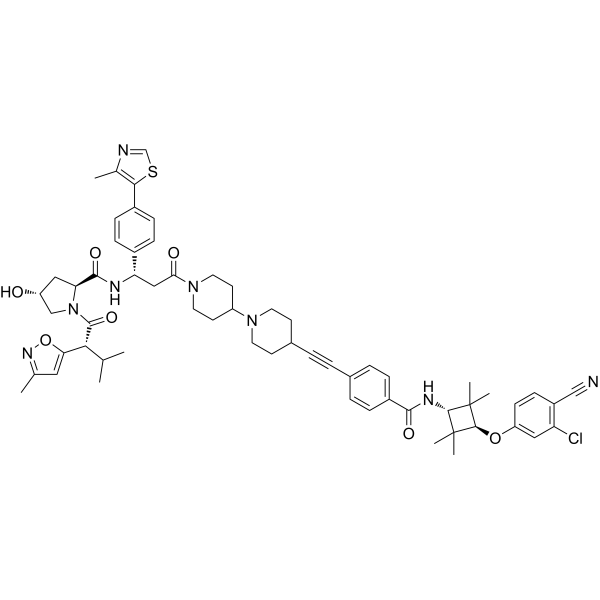 0 Images
ARD-61 is a highly potent, effective and specific PROTAC androgen receptor (AR) degrader. ARD-61 potently and effectively induces AR and progesterone receptors (PR) degradation in AR+ cancer cell lines. ARD-61 induces apoptosis and effectively induces tumor growth inhibition in the MDA-MB-453 xenograft model in mice. ARD-61 is a click chemistry reagent, it contains an Alkyne group and can undergo copper-catalyzed azide-alkyne cycloaddition (CuAAc) with molecules containing Azide groups.
-
VPC-13566
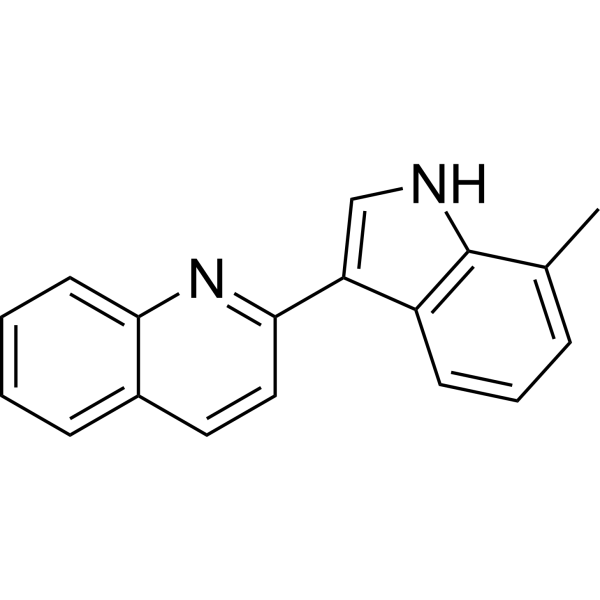 0 Images
VPC-13566, a BF3-specific small molecule, is an androgen receptor (AR) inhibitor. VPC-13566 is effective in inhibiting AR transcriptional activity in vitro as well as the growth of AR-dependent PCa cell lines. VPC-13566 can be used as a chemical probe to help identify unknown AR partners.VPC-13566 can be used for the research of cancer.
-
Dimethomorph
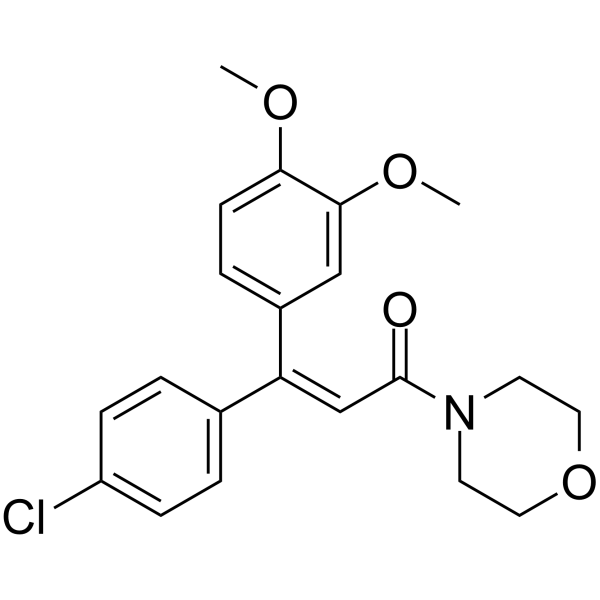 0 Images
Dimethomorph is a fungicide belongs to the fungicide group of sterol biosynthesis inhibitor. Dimethomorph can inhibit fungal cell wall formation. Dimethomorph also inhibits androgen receptor (AR) activity in MDA-kb2 cells with an IC20 of 0.263 µM.
-
BAY-2925976
 0 Images
BAY-2925976 is an α2C adrenergic receptor (ARα2C) antagonist that can be used for the study of obstructive sleep apnea (OSA).
-
A4B17
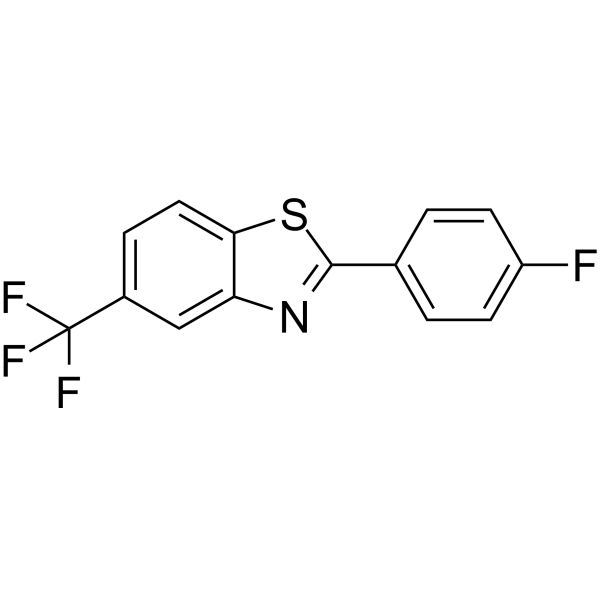 0 Images
A4B17 is an androgen receptor N-terminal inhibitor for researching androgen-responsive prostate cancer.
-
4,4'-Sulfonyldiphenol (Standard)
 0 ImagesSynonyms: Bisphenol S (Standard); Bis(4-hydroxyphenyl) sulfone (Standard)
4,4'-Sulfonyldiphenol (Bisphenol S; Bis(4-hydroxyphenyl) sulfone) (Standard) is the analytical standard of 4,4'-Sulfonyldiphenol (HY-W011927). This product is intended for research and analytical applications. 4,4'-Sulfonyldiphenol, a substitute for Bisphenol A (HY-18260), is widely used in industrial and consumer products. 4,4'-Sulfonyldiphenol is an estrogen receptor (ER) agonist and can competitively bind to thyroid hormone receptors (TR) with IC50 values for TRα and TRβ are 2650 μM and 2294 μM respectively, thereby affecting breast development and reducing the expression of androgen receptor (AR) in fetal testes. 4,4'-Sulfonyldiphenol promotes the progression of glioblastoma by upregulating the EZH2 mediated PI3K/AKT/mTOR pathway. Under chronic exposure, 4,4'-Sulfonyldiphenol can cause significant lipid deposition and dyslipidemia in the mouse liver by upregulating JunB and Atf3, and has a role in causing obesity at low doses. 4,4'-Sulfonyldiphenol induces intestinal inflammation by altering the intestinal microbiome. 4,4'-Sulfonyldiphenol accelerates the progression of atherosclerosis in zebrafish embryo larvae.
-
LL-K9-3
 0 Images
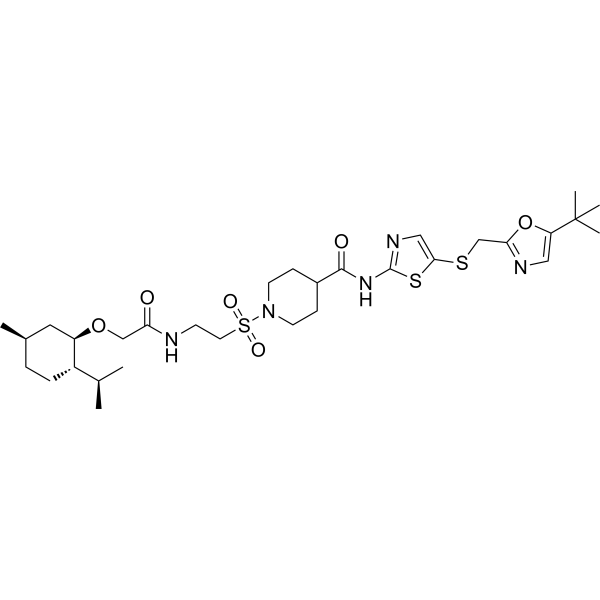
LL-K9-3 is a selective CDK9-cyclin T1 HyT degrader, with DC50 values of 0.662 μM and 0.589 μM for CDK9 and Cyclin T1, respectively. LL-K9-3 lacks an E3 ligand moiety and induces polyubiquitination and proteasome-mediated synchronous degradation of CDK9 and cyclin T1 via a hydrophobic tag-mediated mechanism. LL-K9-3 downregulates the protein levels of androgen receptor (AR) and c-Myc, and exhibits antiproliferative and pro-apoptotic (apoptosis) activity in prostate cancer cells. LL-K9-3 can be used in studies related to prostate cancer.
-
Faznolutamide
 0 Images
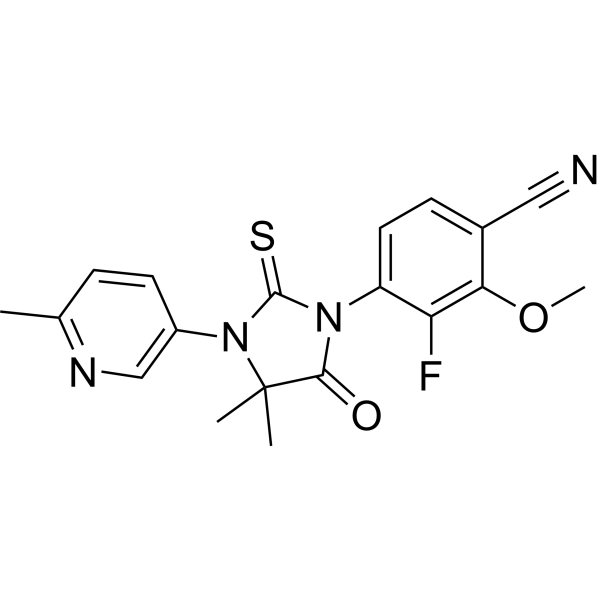
Faznolutamide is an antiandrogen agent.
-
Vitisin A
 0 ImagesCat. No.: HY-142026CAS No.: 142449-89-6Synonyms: (+)-Vitisin A
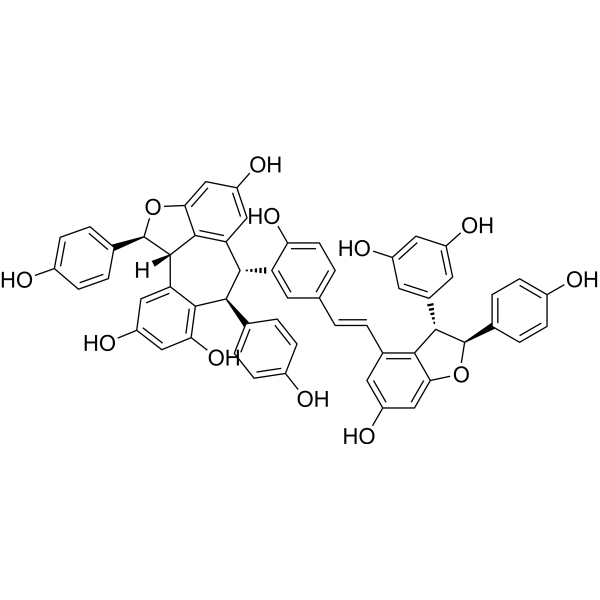
Vitisin A ((+)-Vitisin A) is an orally active natural product with multiple pharmacological activities including anti-inflammatory, anti-tumor, anti-oxidant, anti-pathogenic microorganism, hypoglycemic and lipid-regulating, anti-osteoporotic, neuroprotective and cardiovascular protective effects. Vitisin A exhibits inhibitory effects on human AChE and MAO-B with IC50 values of 1.29 µM and 4.94 µM, respectively. Vitisin A inhibits the ERK, MAPK, NF-κB, STAT1, HMGCR and TRAF6 pathways, downregulates the related phosphorylation and protein expression, while activates the Nrf2/HO-1 pathway and upregulates p21 expression. Vitisin A induces tumor cell apoptosis and cell cycle arrest, inhibits adipogenesis and lipid accumulation, while alleviates oxidative stress, suppresses inflammatory responses, blocks hepatic fibrosis, Cuproptosis and cholesterol synthesis, and increases the expression levels of central BDNF and TrkB. Vitisin A can be used in the research of tumors, infectious diseases, metabolic diseases, bone and joint diseases, liver diseases, skin injuries, as well as neurodegenerative and cognitive dysfunction-related diseases.
-
SJ1008066
 0 Images
SJ1008066 is a MAGE-A11 inhibitor with anIC50 of 0.13 μM. SJ 1008066 binds to the MAGE homology domain (MHD) and disrupts MAGE-A11:PCF11 interaction.
-
JZY3221
 0 ImagesCat. No.: HY-184126Purity: 98.01%
JZY3221 is an androgen receptor (AR) inhibitor. JZY3221 binds to the AR ligand-binding domain to inhibit AR function. JZY3221 constitutes the AR inhibitory moiety of DALTAC JZY3032 (HY-184124). JZY3221 is applicable to research related to prostate cancer.
-
XYD049
 0 Images
XYD049 is a CRBN-based molecular glue degrader targeting GSPT1, with a DC50 of 19 nM. XYD049 mediates the formation of a ternary complex between CRBN and GSPT1, thereby triggering CRBN- and proteasome-dependent degradation of GSPT1. By degrading GSPT1, XYD049 downregulates castration-resistant prostate cancer (CRPC)-related oncogenes, including BCL2, CDK2, E2F3, EGFR, HSP90B1, TMPRSS2, AR, AR-V7, PSA and c-Myc. XYD049 inhibits cancer cell growth and suppresses tumor growth in mice. XYD049 can be used for research on castration-resistant prostate cancer. XYD049 consists of a linker (black part) NH2-C5-NH-Boc (HY-W004710), a CRBN-based E3 ligase ligand (blue part) Thalidomide 4-fluoride (HY-41547), and a target protein ligand (red part) GSPT1 ligand-1 (HY-170821), among which the E3 ligase ligand plus linker forms the conjugate E3 Ligase Ligand-linker Conjugate 158 (HY-170822).
-
Monascuspiloin
 0 ImagesCat. No.: HY-N12124CAS No.: 1011244-19-1Synonyms: Monascinol
Monascuspiloin (Monascinol) is an orally active compound extracted from red mold-fermented rice, with multiple biological activities including anti-androgenic, anti-inflammatory, hypolipidemic, and anti-cancer properties. Monascuspiloin attenuates the PI3K/Akt/mTOR signaling pathway, enhances AMPK phosphorylation, downregulates FASN/SREBP2, induces apoptosis, G2/M phase arrest and autophagy in prostate cancer cells, interferes with dihydrotestosterone-receptor binding, enhances radiation-induced DNA damage, stimulates endoplasmic reticulum stress, and alleviates hepatic oxidative stress. Monascuspiloin regulates hepatic metabolic pathways and modulates the expression of genes and proteins related to hepatic lipid metabolism. Monascuspiloin can be used in studies related to prostate cancer and alcoholic liver injury.
-
PROTAC AR Degrader-4 TFA
 0 ImagesCat. No.: HY-111848APurity: 99.26%
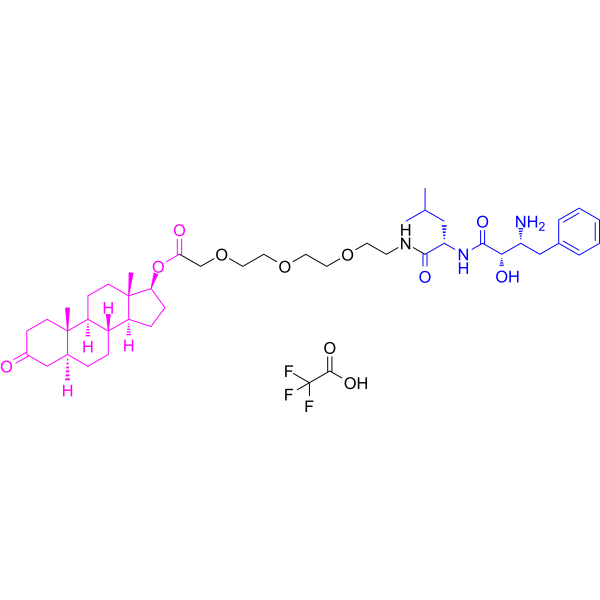
PROTAC AR Degrader-4 comprises a IAP ligand binding group, a linker and an Androgen Receptor (AR) binding group. PROTAC AR Degrader-4 is an AR degrader. Degradation inducers based on cIAP1 are called specific and non-genetic IAP-dependent protein erasers (SNIPERs).
-
PROTAC AR Degrader-4
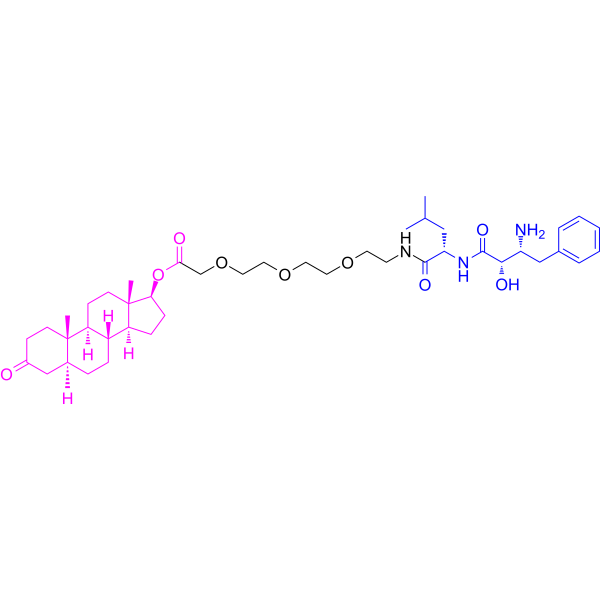 0 ImagesCat. No.: HY-111848CAS No.: 1351169-31-7
PROTAC AR Degrader-4 comprises a IAP ligand binding group, a linker and an Androgen Receptor (AR) binding group. PROTAC AR Degrader-4 is an AR degrader. Degradation inducers based on cIAP1 are called specific and non-genetic IAP-dependent protein erasers (SNIPERs).
-
JZY3032
 0 ImagesCat. No.: HY-184124
JYZ3032 is an orally active super inhibitor of androgen receptor (AR) and p300/CBP. JYZ3032 redirects the catalytic activity of p300 and locks the complex in a transcriptionally inactive state, thereby inhibiting AR-driven transcription and proliferation. JYZ3032 induces deep and durable tumor regression in castration-resistant and patient-derived xenograft models, and exhibits good tolerability. JYZ3032 can be used in research related to metastatic castration-resistant prostate cancer and prostate cancer.



